Worth the Flight? Running the Real Numbers on a Kerala Prize Trip From the States
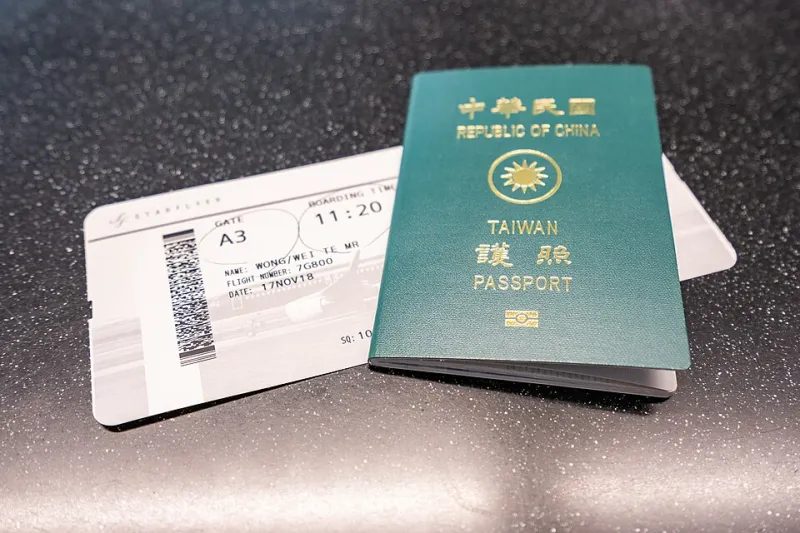
Photo: Wei-Te Wong, CC BY-SA 2.0, via Wikimedia Commons
There is a specific minute that hits almost every Indian-American who checks a Kerala result and sees a match. First comes the rush. Then comes the geography.
Because a ticket is one thing. Getting to the money is another, and for most US-based players the money sits 8,000 miles away, behind a counter in Thiruvananthapuram.
So before anyone books a flight on adrenaline, let's do the unglamorous thing and run the numbers.
Where the claim actually happens
Kerala's prize structure is tiered by amount. Small prizes get settled at the retailer level. Mid-range prizes go through district lottery offices. The headline prizes — the ones large enough that a plane ticket starts to feel justified — are handled at the directorate, with the original ticket, identity documents, and a claim filed inside a fixed window from the draw date.
That window is the detail that wrecks the casual plan. You are typically working with roughly a month, not a year. And any flight booked inside four weeks of departure is a flight you are paying a premium for.
Stack on top of that the flat tax India applies to lottery winnings, plus the cess that rides along with it. What you are actually protecting is somewhere around 69% of the number printed on the ticket. The rest is gone before you reach an airport.
One caveat before the arithmetic: Kerala's claim thresholds and procedures have been revised more than once over the years. Confirm the current rules directly with the directorate before you commit to anything.
What a claim trip really costs
Here is a realistic budget for a US-based winner flying out of a major gateway, staying a week, and coming home.
- Airfare: $1,000 to $1,600 round trip in a normal season. December and January, $1,800 or more.
- Getting around: $150 to $400, depending on whether you land in Kerala or connect through Bengaluru or Chennai.
- Hotel and food: $400 to $700 for five to seven nights near the claim office.
- Missed work: four to six days off. At a typical US wage, that is $1,000 to $1,500 of income you simply do not earn.
- Documents: notarized copies, apostilles, passport photos, courier fees. $100 to $250.
- Moving the money back: a 1% to 3% bite between bank spreads and wire charges, depending on how you route it.
Total: somewhere between $3,000 and $4,500, spent before a rupee of prize money moves.
The break-even prize
Divide your trip cost by 0.691 — the share left after tax — and you get the prize size where the flight stops being a loss.
At $3,500 in travel costs, that is roughly $5,065, or about ₹4.5 lakh at current exchange rates. Below that line, the round trip is worth more than the win.
| Gross prize | Rough USD value | After tax | Trip cost | What is left |
|---|---|---|---|---|
| ₹2 lakh | ~$2,270 | ~$1,570 | $3,500 | –$1,930 |
| ₹5 lakh | ~$5,680 | ~$3,930 | $3,500 | +$426 |
| ₹10 lakh | ~$11,360 | ~$7,850 | $3,500 | +$4,350 |
| ₹1 crore | ~$113,600 | ~$78,500 | $3,500 | +$75,000 |
Look at the last row. On a crore-level prize, the trip costs about 4.5% of your net. It is noise. Nobody sane would skip that flight.
Look at the first row. On a ₹2 lakh prize, flying turns a small win into a real loss. You would have been better off never checking the result.
When the flight is genuinely worth it
Three situations justify the airfare.
The prize is large enough that the trip is a rounding error. Roughly ₹10 lakh and up, the math stops arguing with you.
The trip has a second purpose. If you were already planning to see family, attend a wedding, or handle property paperwork, the marginal cost of the flight is much smaller than the sticker price. This is the most common way US winners actually make the numbers work.
The remote route has failed. Sometimes a representative with power of attorney gets bounced, or a bank refuses to cooperate, or a document needs a human signature in front of an official. At that point you are not choosing between flying and staying home. You are choosing between flying and forfeiting.
What to try before you book
Ask the claim office, in writing, whether an authorized representative can file on your behalf. Kerala has allowed claims through documented representatives in various forms, but the answer depends on the office, the prize tier, and the paperwork — so get it confirmed rather than assumed.
If representation is possible, a notarized and apostilled power of attorney naming a trusted relative or a Kerala-based advocate is dramatically cheaper than a plane ticket. Pair it with a local chartered accountant who can handle the tax certificate side.
Also ask whether the claim can be filed inside the window and the payout collected later. Some winners have managed to split those two steps, which buys back months of scheduling freedom.
The part nobody wants to hear
The trip is not the expensive part of a Kerala win. The trip is the visible part. What quietly costs more is the decision-making that happens in the first 48 hours, when people book flights, tell relatives, and start spending a prize that has not cleared anything yet.
If the win is small, treat it as a small win and stop reaching for the passport. If the win is genuinely large, fly — but fly with your documents already assembled, your bank details verified, and a local professional on the ground who has done this before.
The prize is the easy part. The 8,000 miles in between is where the money actually goes.