Foreign Winnings, American Problems: The IRS Rules Kerala Lottery Players in the US Keep Getting Wrong
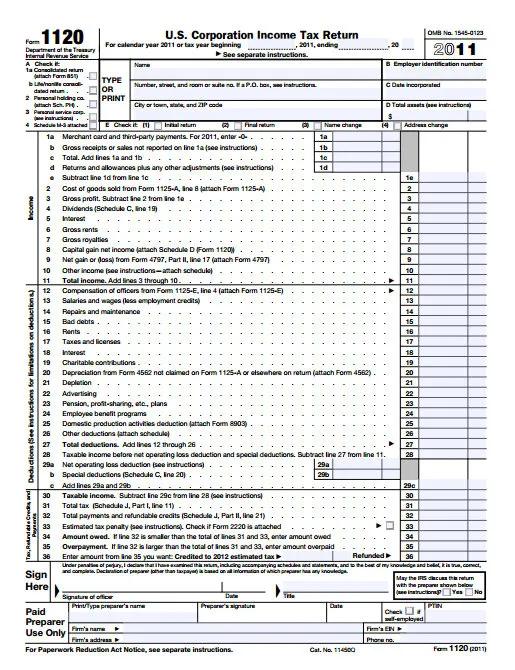
Photo: Internal Revenue Service, Public domain, via Wikimedia Commons
Let's paint a picture. You're sitting in your apartment in New Jersey, checking the Kerala Lottery Today results feed on your phone, and suddenly — your numbers come up. You've won. It's a moment of pure, unfiltered excitement, the kind that makes you call your mom back in Thiruvananthapuram before you've even finished reading the prize amount.
But here's the part nobody talks about in that moment: you've just created a US tax obligation, and it's probably more complicated than anything you've dealt with on a 1040 before.
For Indian-Americans who participate in Kerala lottery draws — whether through family members purchasing tickets on their behalf, authorized agents, or digital platforms — the tax picture is murky at best and financially dangerous at worst. And according to tax professionals who work with South Asian immigrant communities, the mistakes aren't occasional. They're widespread.
The Core Problem: Most Players Don't Think of It as "Gambling Income"
Here's where the confusion starts. The Kerala State Lotteries program is a government-run operation. It's not a casino. It's not a poker table. Back home in Kerala, it's practically a civic institution — a state-sanctioned system that funds government programs and has been running since 1967. So when Indian-Americans win, many of them mentally file it under "gift from family" or "money from home" rather than what the IRS actually calls it: gambling income.
"That framing is the root of most of the issues I see," says one New York-based enrolled agent who works extensively with South Asian clients. "People receive money from relatives in India and genuinely don't realize they're required to report it as gambling winnings. They think it's a family transfer. The IRS sees it very differently."
Under US tax law, gambling winnings — regardless of where in the world they originate — are fully taxable as ordinary income. That means they get added to your gross income and taxed at your marginal rate. There's no special lower rate for foreign lottery wins, no exemption for government-operated lotteries, and no free pass because the game was played in another country.
Currency Conversion: The Math Nobody Does Correctly
Once you've accepted that yes, this income must be reported, the next challenge is figuring out how much to report. Kerala lottery prizes are paid out in Indian rupees. Your 1040 needs US dollars. Simple enough, right? Not quite.
The IRS requires that foreign income be converted using the exchange rate on the date the income was received — or, if there's no single clear date, a reasonable average rate for the period. This sounds straightforward until you realize that most people either use today's exchange rate (wrong), use a rate they Googled randomly (also wrong), or skip the conversion entirely and just report the rupee amount as if it were dollars (very wrong).
The IRS publishes yearly average exchange rates through its website, and the Treasury Department's Financial Management Service provides additional guidance. Using an official rate matters — not just for accuracy but because if you're ever audited, documentation of your conversion methodology is part of what examiners look at.
If the prize is significant — and some Kerala lottery jackpots run into the crores — even small differences in exchange rate calculations can translate to hundreds or thousands of dollars in taxable income variance.
Does the US-India Tax Treaty Help You?
This is one of the most common questions tax professionals hear from Indian-American clients, and the answer is: not really, when it comes to gambling.
The US and India do have a tax treaty, formally called the Convention for the Avoidance of Double Taxation. It covers income categories like dividends, interest, royalties, and business profits. But gambling winnings? They fall outside the treaty's standard protective provisions in most interpretations. That means you generally can't use the treaty to claim a reduced US tax rate on lottery winnings the way you might on certain investment income.
Furthermore, while India does withhold tax on lottery prizes at the source — currently at a flat 30% rate plus applicable surcharges — US taxpayers may be able to claim a Foreign Tax Credit on their US return for taxes already paid to India. However, gambling income is a passive income category with specific FTC limitations, and whether the credit fully offsets your US liability depends heavily on your individual tax situation.
"Don't assume the foreign tax you paid cancels out what you owe here," warns a CPA based in the Dallas-Fort Worth area who asked not to be identified. "It can help, but the calculations are tricky and the limitations on passive income credits catch a lot of people off guard."
The Form 1040 Breakdown: Where This Income Actually Goes
For anyone navigating this for the first time, here's the basic roadmap:
Step 1 — Report the gross winnings. Gambling winnings go on Schedule 1, Line 8b of your Form 1040 (labeled "Other Income"). You report the full prize amount in US dollars at the applicable exchange rate.
Step 2 — Check your Foreign Tax Credit eligibility. If taxes were withheld by India on the prize, you may file Form 1116 to claim a Foreign Tax Credit. This is where working with a qualified tax professional really pays off, because the passive income basket rules are genuinely complex.
Step 3 — Consider FBAR and FATCA implications. If the prize money was deposited into an Indian bank account and that account held more than $10,000 at any point during the year, you may need to file a FinCEN Form 114 (FBAR) and potentially Form 8938 under FATCA rules. Many people don't realize lottery winnings sitting in a foreign account trigger these separate reporting requirements.
Step 4 — Document everything. Keep records of the lottery ticket, the prize notification, the date of receipt, the exchange rate source you used, and any tax withholding documentation from Indian authorities.
What Happens If You Don't Report?
The IRS has been steadily increasing its focus on foreign financial accounts and unreported international income. The agency has data-sharing arrangements with Indian financial institutions under FATCA, which means large transfers from India to US accounts can and do get flagged.
Penalties for unreported foreign income can be steep — we're talking accuracy-related penalties of 20% of the underpayment, and in cases of willful non-disclosure, things can escalate significantly. The good news is that if you've made honest mistakes in prior years, there are IRS voluntary disclosure pathways that allow you to come into compliance without criminal exposure.
The Bottom Line
Participating in Kerala lottery draws from the US is a deeply personal experience for many in the diaspora — a way to stay connected to home, to share in family traditions, to feel that thread running back to Kerala even from thousands of miles away. None of that changes.
But understanding the tax reality that comes with winning is just as important as knowing where to buy a ticket or how to check results. The rules aren't designed to punish Indian-Americans specifically — they apply equally to any US person winning foreign lottery prizes. They're just not rules most people stumble across until it's too late.
Talk to a tax professional who has experience with international income before you cash a significant prize. The conversation is a lot less stressful before the IRS starts it for you.